
What we do
We identify the spider first, then treat the hiding spots where they actually live. Crack-and-crevice indoors, residual perimeter outdoors, web knock-down on eaves and corners. Targeted, not blanket-spray.
Treat the spider, not the fear. Pest Marshals handles black widow, wolf, orb-weaver, and the common house spiders showing up in WNC garages, basements, and crawlspaces. We tell you the truth about brown recluse instead of selling you a fix you don't need. Free quote, 24/7. Marshal's Shield guarantee.
We identify the spider first, then treat the hiding spots where they actually live. Crack-and-crevice indoors, residual perimeter outdoors, web knock-down on eaves and corners. Targeted, not blanket-spray.

Every house is different. Dusty walks the property, identifies what species is showing up, and gives you a free, written quote on the spot. If you brought us a "brown recluse," we'll confirm what it actually is before quoting any treatment. No upfront fee.

Once you approve the quote, we treat the hiding spots on your schedule. Every job is backed by the Marshal's Shield. If you start seeing spiders again before the next visit, you call us and we come back free.
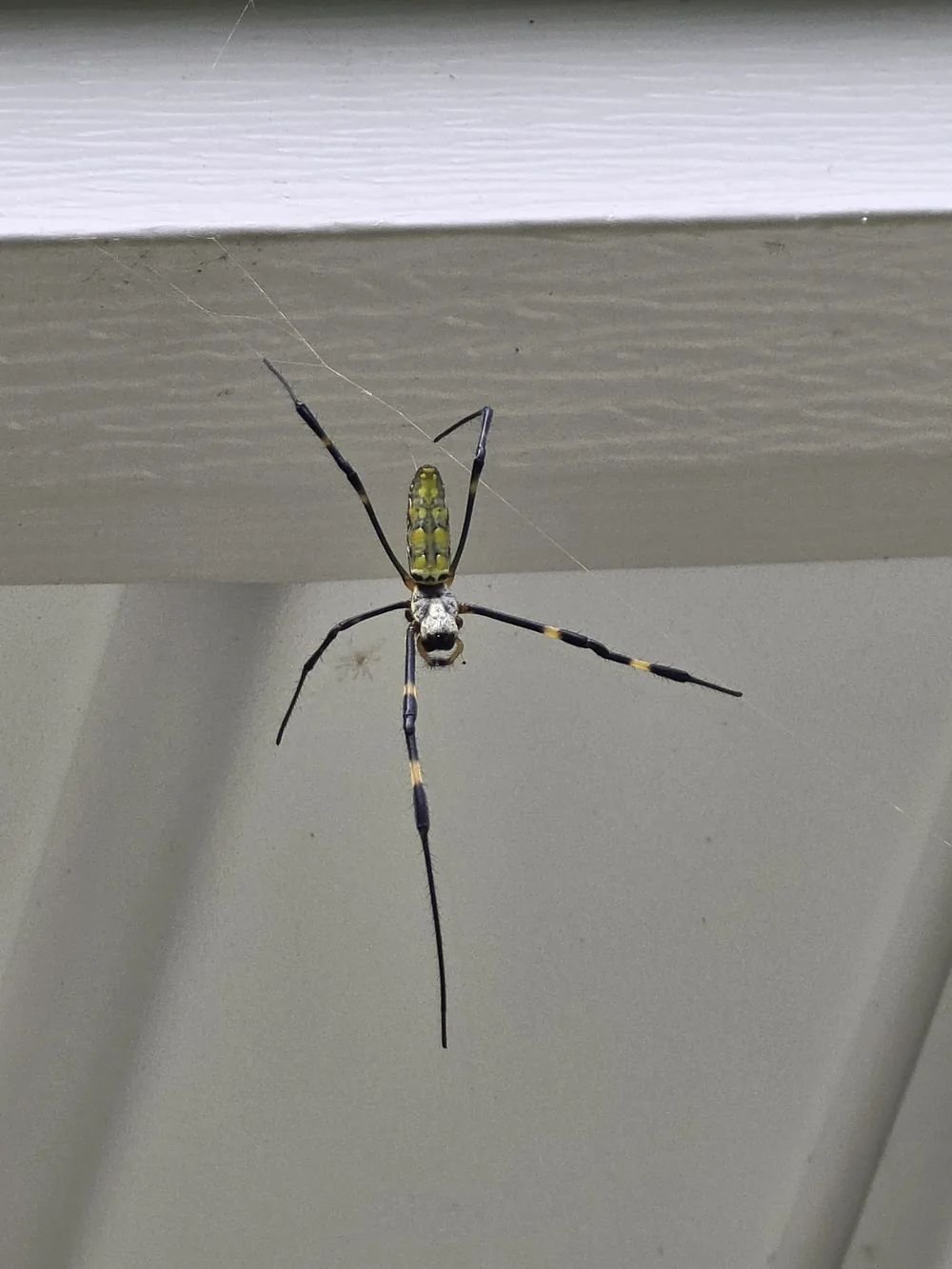
Most spider calls Pest Marshals takes are for orb-weavers building webs across porch lights, wolf spiders running across the basement floor, common house spiders in the corners of the ceiling, and the occasional black widow under a stack of firewood or in a forgotten outbuilding. Per NC State Extension, the brown recluse most homeowners are afraid of is exceedingly rare in this state, and most reported "brown recluse" sightings are actually wolf spiders or other lookalikes.
The right move is the same regardless of species: identify what's showing up, find the hiding spots, and treat the hiding spots. Spraying the entire house wastes product, kills beneficial insects, and does not solve the actual problem. We do it right the first time so you stop seeing them.
All five are common in the Asheville area, and each one has a different hiding spot. The treatment hits the spot they're actually living in, not the spot you saw the one walk across.
Big colorful web-builders. Spin a fresh web every night across porches, eaves, garden gates, and patio furniture. Look intimidating. Almost never bite. We knock down webs on the exterior and treat the the corners where they hide so they relocate further from the door.
Big, brown, hairy, and quick. Hunt at night, hide during the day in basements, garages, crawlspaces, and behind boxes. Most often misidentified as brown recluse, per NC State Extension. Bite is mild and they bite only when grabbed. Treated at the hiding spots with crack-and-crevice product.
Small, beige, and the source of most ceiling-corner cobwebs. Live indoors year-round. Treated with a residual on the wall-ceiling edge plus knock-down of the existing webs. The most common indoor spider call we take.

Shiny black, red hourglass on the underside of the abdomen, builds messy tangle webs in firewood stacks, outbuildings, crawlspaces, and the underside of patio furniture. The one venomous spider that is actually common in WNC. We treat the hiding spots and recommend gloves around the firewood.

Long-legged spiders living in damp basements, crawlspaces, and the wall void behind the dishwasher. They actually eat other spiders. Removed because the egg sacs and webs accumulate fast. Treated with crack-and-crevice product at the wall-floor edge.

Lots of small spiders show up in WNC: jumping spiders on window sills, crab spiders in flower beds, sac spiders on the ceiling at night, trapdoor spiders in the yard. Most are harmless and many are beneficial. We focus treatment on the hiding spots where they're concentrating, not on every blade of grass.
Saw something you think is a brown recluse? Send a photo before you treat anything. NC State Extension confirms recluse spiders are exceedingly rare in NC. The honest answer matters more than a fast quote. Read the brown recluse policy below.
A lot of pest companies blanket-spray the whole house every quarter. That kills the visible spider but rarely touches the egg sacs and the hiding spots where the next ones are coming from. We do it in two passes.

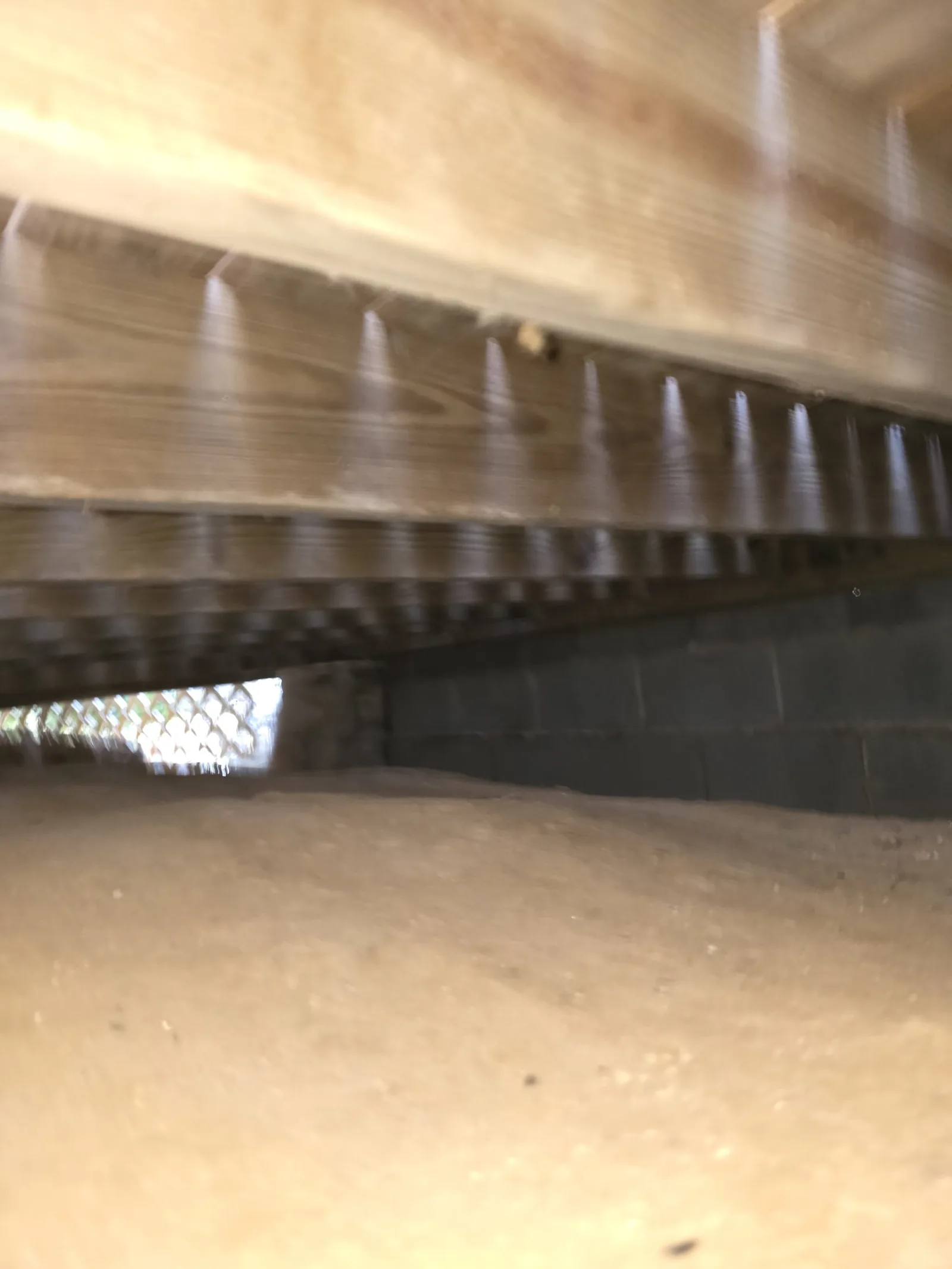
Spiders shelter in cracks, behind baseboards, in the wall-floor edge, behind the dishwasher and dryer, in basement corners, and inside garage door tracks. We treat those exact spots with a residual that stays active for 90 days. Whole-room fogging does not reach the hiding spots and kills the spiders that eat the bugs you actually want gone.

Spiders go where the food is. The food is the bugs your porch light pulls in every night. We treat the exterior perimeter (siding edge, foundation band, eaves, soffits) so the prey base drops, the spiders relocate further from the house, and the indoor population stops getting refilled. Every 90 days during active season.

Brown recluse spiders are exceedingly rare in North Carolina. The species' established range barely reaches the western edge of the state, and even there they are uncommon, per NC State Extension and NCSU Entomology. Most "brown recluse" calls Pest Marshals takes turn out to be wolf spiders, which look similar at a glance and are completely different in behavior and risk.
If you saw something you think is a brown recluse, send a photo to dusty@pestmarshalswnc.com or text it to (828) 736-1350 before any treatment. We'll confirm what it actually is. If it really is a recluse, we treat for it specifically. If it's a wolf spider (which is most of the time), we treat for that, which is a different and more effective method.

The visible web and the visible spider are not the problem. The egg sacs and the hiding spots are the problem. Knock-down sprays handle the visible part and leave the source untouched.
Hardware-store spider sprays drop the visible spider in seconds and have zero residual. The next spider walks out of the same wall void within hours. Real treatment uses a residual product on the hiding spots, not on the spider.
Foggers spread product across open floor and ceiling, then break down in sunlight. Spiders shelter in cracks, behind baseboards, and inside wall voids. The fog never gets in there. The spider population is unaffected.
Most "brown recluse bite" stories online were never confirmed. Per NC Poison Control, recluse spiders are exceedingly rare in NC. If you have a real bite concern, see a doctor and bring the spider if you can. We can identify what species you actually have before treating it.
Same workflow whether you saw one or have an active infestation in the basement.
Dusty walks the property indoors and out, finds the hiding spots, identifies what species is actually showing up, and explains the plan. No charge, no pressure, written quote at the visit. If you have a "brown recluse" photo, we ID it before quoting anything.
Crack-and-crevice indoors at the hiding spots, residual perimeter outdoors, web knock-down on eaves and corners. Yard and outdoor furniture stay usable that evening once everything dries.
Every 90 days, year-round. Spiders are active longer than most pests in WNC because the indoor population overwinters. If you start seeing spiders again before the next visit, the Marshal's Shield brings us back free.
Every Pest Marshals spider job is backed by the Marshal’s Shield. If you start seeing spiders again before the next visit, you call (828) 736-1350 and we come back free. Not satisfied? Your money back.

Seventeen years in NC pest control. The video on the left is Dusty applying a perimeter at an Asheville property. Same person walks the basement, identifies the species, and runs the indoor crack-and-crevice plus the exterior perimeter. No call center, no subcontractor, no rotating tech.
Pest Marshals of Asheville and WNC is owner-operated, NC licensed, and fully insured. The honest answer on brown recluse is the same answer Dusty would give a neighbor over the fence.
If a customer's kid gets a black widow bite from a firewood stack we said we covered, that's on me. So I treat every hiding spot like it's at my house.
Spider control across the seven counties below. Tap your town to start a free quote.
Not on the list? Call anyway. We cover more of Western NC than this map shows.
Call 828-736-1350Fill out the form or call (828) 736-1350. Dusty calls back personally, identifies the species, and hands you a written scope and free estimate before any work begins.
Answer a few quick questions. Dusty calls back the same day.
No contract. No spam. Your info only goes to Dusty.