Western North Carolina Pest Calendar

What to watch for, month by month.

Seventeen years of WNC service calls, distilled into a month-by-month guide. Use it to time treatments before the problem shows up at your door.

Author
Dusty Allen
Coverage
Haywood, Buncombe, Henderson, Jackson counties
Climate
Mountain (2–3 weeks behind Piedmont calendars)

Right Now November

November pest activity in Western North Carolina: Mice · Rats · Brown marmorated stink bugs

Mice · Rats · Brown marmorated stink bugs

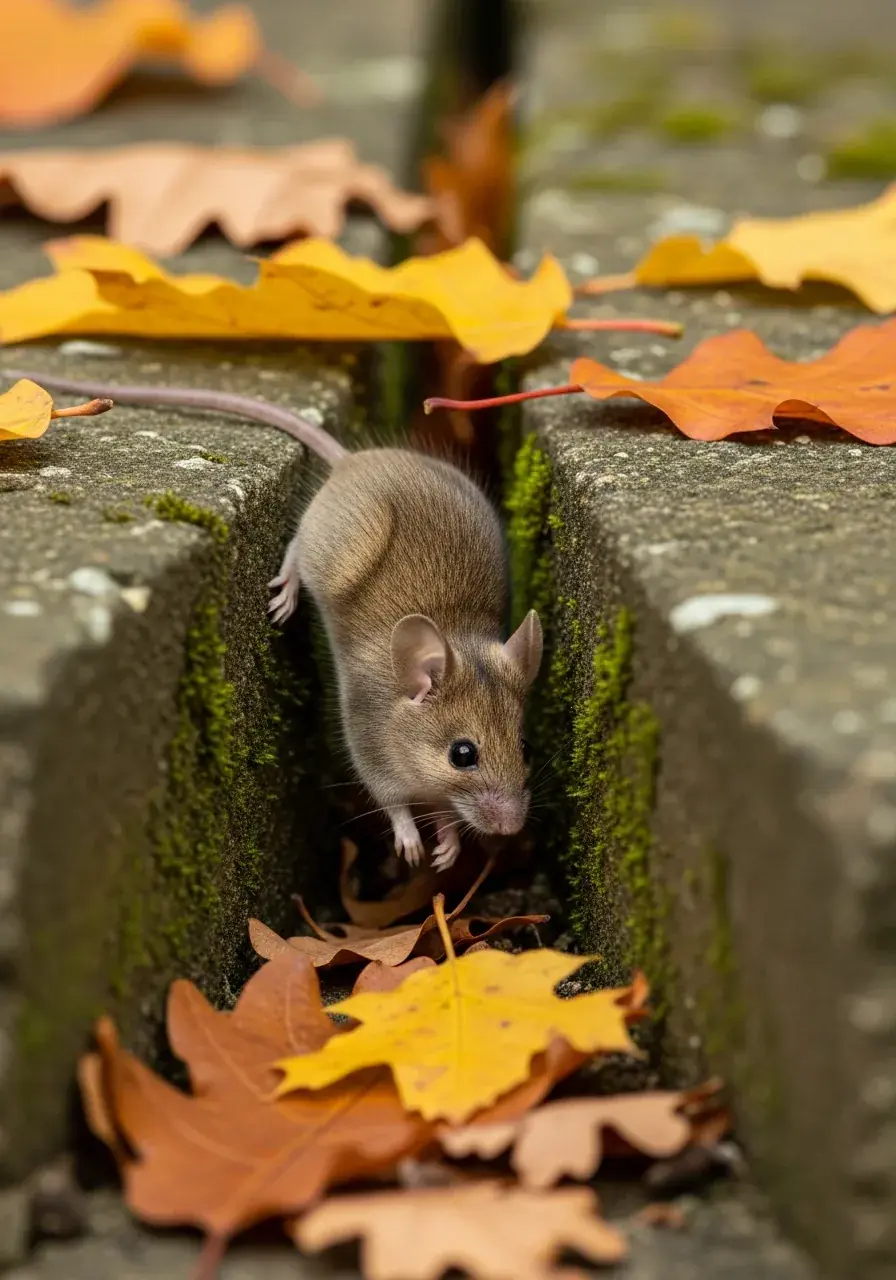
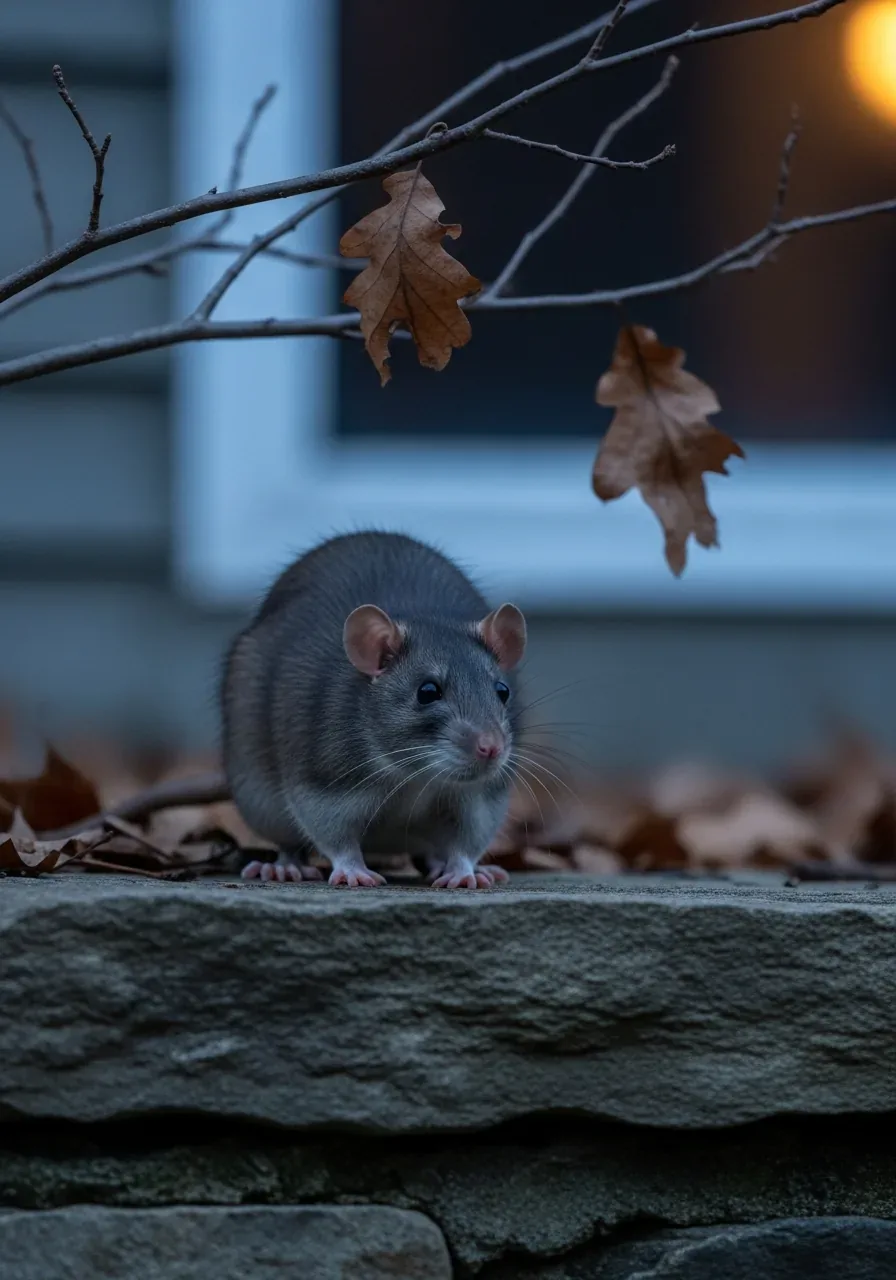
Rodent activity inside walls intensifies. Last window for exterior perimeter treatment before ground freezes.

Hard freezes drive the last wave of outdoor rodents inside. Stink bugs that made it into wall voids in September start emerging into living spaces on warm days. Cluster flies settle into upper-floor window frames.

Dusty's call this month Final exterior perimeter treatment. Interior rodent control escalation in kitchens and garages.

December

December pest activity in Western North Carolina: Mice · Rats · Firewood hitchhikers

Mice · Rats · Firewood hitchhikers

Cold-stored firewood brings inside beetles, spiders, and the occasional wasp. Inspect every load before stacking indoors.

Mouse reproduction inside wall voids continues through winter. Firewood brought inside releases dormant wasps, beetles, and spiders as it warms. Holiday decorations stored in garages and crawlspaces can introduce spiders when brought indoors.

Dusty's call this month Interior rodent baiting. Firewood storage audit. Decoration inspection before indoor placement.

January

January pest activity in Western North Carolina: Mice · Rats · Overwintering stink bugs

Mice · Rats · Overwintering stink bugs

Rodents push indoors when mountain temps drop below freezing. First cold snap fills attics and crawlspaces.

Mouse activity inside walls intensifies as outdoor food sources disappear. Brown marmorated stink bugs that entered homes in September cluster around windows on sunny days. Target: seal every quarter-inch exterior gap, set interior traps in utility rooms, kitchens, and garages.

Dusty's call this month Interior rodent stations + exclusion audit of crawlspace vents, dryer vents, and A/C line penetrations.

February

February pest activity in Western North Carolina: Rodents · Cluster flies · Firewood beetles

Rodents · Cluster flies · Firewood beetles

Peak rodent activity inside homes. Warm days trigger cluster flies in window frames and attic vents.

Female mice that entered in late fall start reproducing inside wall voids. Warm afternoons bring dormant cluster flies to south-facing windows. Firewood brought inside can release bark beetles and carpenter ants.

Dusty's call this month Attic and soffit inspection for cluster fly shelter. Inspect firewood stacks before bringing indoors.

March

March pest activity in Western North Carolina: Termite swarmers · Carpenter ants · Box elder bugs

Termite swarmers · Carpenter ants · Box elder bugs

First subterranean termite swarms appear after the first warm rain. Best month to book a termite inspection.

Eastern subterranean termites (the species responsible for almost all WNC termite damage) swarm on warm humid afternoons between mid-March and late April. A swarm inside the home, or a pile of discarded wings near a window, is a confirmed infestation. This is the highest-value month for a termite inspection.

Dusty's call this month Annual termite inspection. Treat active colonies before satellite colonies form.

April

April pest activity in Western North Carolina: Ants · Termites · Paper wasps · Mosquitoes

Ants · Termites · Paper wasps · Mosquitoes

Carpenter ants start mating flights. Paper wasps begin nest construction under eaves and decks.

Carpenter ant queens select nest sites in moisture-damaged wood (rim joists, window frames, deck ledger boards). Paper wasp queens build golf-ball-sized starter nests under eaves, grills, and deck furniture. First mosquito generation emerges from standing water.

Dusty's call this month Exterior perimeter treatment + wasp preventative on eaves. Inspect decks and porches for starter paper wasp nests.

May

May pest activity in Western North Carolina: Yellow jackets · Ticks · Fleas · Spiders

Yellow jackets · Ticks · Fleas · Spiders

Tick pressure surges as deer move through wooded yards. Yellow jacket queens establish ground nests.

Yellow jacket queens tunnel into abandoned rodent burrows, rock walls, and crawlspace gaps to start colonies that will peak in July and August. Black-legged ticks (the species that carries Lyme disease in WNC) are at their most active in May. Flea populations explode on outdoor pets.

Dusty's call this month Yard mosquito/tick treatment. Book quarterly exterior service if not already scheduled.

June

June pest activity in Western North Carolina: Hornets · Wasps · Fire ants · Mosquitoes

Hornets · Wasps · Fire ants · Mosquitoes

Bald-faced hornet nests become visible. Mosquito populations explode after spring rains.

Bald-faced hornet nests grow from golf-ball size to basketball size between June and August. Mosquito populations peak after heavy rains. Red imported fire ants (a newer arrival in lower-elevation WNC) start expanding into lawns and pastures.

Dusty's call this month Perimeter mosquito treatment every 30 days. Remove starter wasp and hornet nests before they reach mature size.

July

July pest activity in Western North Carolina: Yellow jackets · Bed bugs · Crickets · Centipedes

Yellow jackets · Bed bugs · Crickets · Centipedes

Peak wasp aggression. Bed bug calls spike with summer travel. Moisture-loving pests move out of crawlspaces.

Yellow jacket colonies hit peak size and become aggressive as foragers switch from protein to sugar. Summer travel (Airbnbs, hotels, moving suitcases between houses) is the single biggest driver of new bed bug introductions in WNC. Crickets and centipedes leave damp crawlspaces on hot dry nights.

Dusty's call this month Immediate wasp nest removal. Post-travel bed bug inspection for rental property owners. Crawlspace moisture check.

August

August pest activity in Western North Carolina: Hornets · Carpenter bees · Roaches · Silverfish

Hornets · Carpenter bees · Roaches · Silverfish

Hornet nests reach full size. Carpenter bee damage becomes visible on cedar and pine trim.

Bald-faced hornet nests often exceed 700 workers by mid-August. Carpenter bee damage (round half-inch holes in cedar, pine, and redwood trim) is visible by late summer. German cockroaches in kitchens, and silverfish in basements, stay active as humidity climbs.

Dusty's call this month Full-summer wasp and hornet sweep. Carpenter bee trap deployment on affected trim. Kitchen roach monitoring.

September

September pest activity in Western North Carolina: Stink bugs · Ladybugs · Mice · Spiders

Stink bugs · Ladybugs · Mice · Spiders

First cool mornings trigger stink bug and lady beetle siege on sunny south-facing walls. Start exclusion work now.

Brown marmorated stink bugs and multicolored Asian lady beetles swarm south and west-facing exterior walls looking for overwintering sites. Mice follow falling nighttime temperatures indoors. Spider populations peak as other insects become food sources.

Dusty's call this month Exclusion audit (seal every gap ≥ 1/4 inch) + exterior perimeter treatment before bugs enter walls. This is the single most important fall service call.

October

October pest activity in Western North Carolina: Rodents · Stink bugs · Bats · Squirrels

Rodents · Stink bugs · Bats · Squirrels

Peak rodent-entry season in WNC. Bats scout attic spaces before migration. Seal every quarter-inch gap.

More mice enter WNC homes in October than any other month. Flying squirrels and gray squirrels scout attic spaces through roof-edge gaps. Big brown bats may roost briefly in attics before winter migration. This is the month to fix what September missed.

Dusty's call this month Rodent exclusion + attic inspection. Schedule wildlife removal for any active bat, squirrel, or raccoon activity.
Heads up for Western NC homeowners: Our mountain climate runs cooler and wetter than Piedmont pest calendars. If a Raleigh or Charlotte chart says pests arrive in March, Western NC usually sees them two to three weeks later. This calendar is tuned to elevations from 2,000 to 4,500 feet across Haywood, Buncombe, Henderson, and Jackson counties.

Dealing with any of these pests right now?

Same-day callbacks across Western NC. Free quotes. No contracts.

Call 828-736-1350